
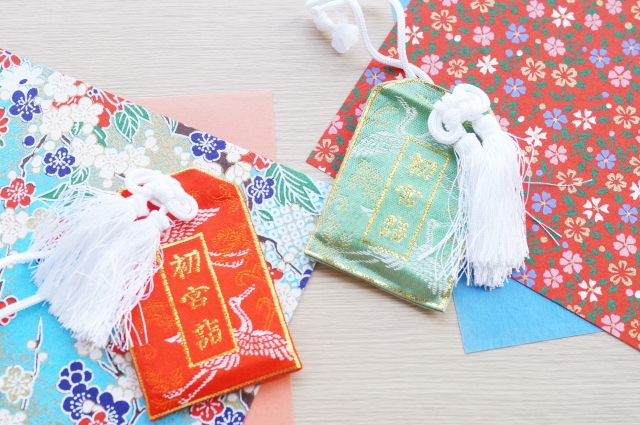
What Is an Omamori? A Simple Guide to Japan’s Protective Charms
If you visit a shrine or temple in Japan, you’ll likely notice small, colorful pouches displayed near the entrance.
These are omamori—traditional Japanese amulets believed to bring protection, luck, and blessings.
They may look like simple souvenirs, but each one carries a deeper meaning rooted in Japanese spirituality and everyday life.
What Is an Omamori?
An omamori is a small protective charm sold at both Shinto shrines and Buddhist temples.
The word comes from mamoru, meaning “to protect.”
Each omamori is associated with a specific type of blessing, such as:
- Health
- Safe travel
- Love and relationships
- Academic success
- Business prosperity
Inside the pouch is a sacred prayer or inscription—never meant to be opened.
Rather than just an object, an omamori is considered a way to carry a connection to a sacred place with you.
Where Do Omamori Come From?
Ancient Spiritual Roots
Omamori originate from both Shinto and Buddhism traditions.
In the past, people received:
- Written prayers
- Wooden tablets
- Sacred inscriptions
These were believed to protect them from harm or bring blessings.
From Sacred Objects to Portable Charms
Over time, these evolved into the small fabric pouches we see today—easy to carry in daily life.
Even now, they are prepared through ritual, not mass-produced casually, which is why they’re treated with respect.
What Do Omamori Look Like?
Omamori are usually made from colorful brocade fabric and decorated with embroidered characters.
Key Features
- A sealed pouch (never opened)
- Kanji indicating the type of blessing
- A cord for attaching to bags or belongings
Designs Vary by Location
Each shrine or temple creates unique designs, often reflecting:
- The deity enshrined there
- The purpose of the charm
- Seasonal or cultural motifs (like cherry blossoms)
Types of Omamori and Their Meanings
Each omamori has a specific purpose. Here are the most common types:
- Safe Travel (交通安全 – Kōtsū Anzen)
Protects drivers and travelers - Good Health (健康 – Kenkō)
Supports physical well-being - Academic Success (学業成就 – Gakugyō Jōju)
Popular among students - Love & Relationships (縁結び – Enmusubi)
For romance and meaningful connections - Business Prosperity (商売繁盛 – Shōbai Hanjō)
Encourages financial success
There are also specialized charms for things like safe childbirth, protection from bad luck, or seasonal blessings.
Omamori as Souvenirs: More Than Just a Gift
Omamori are often bought as souvenirs—but they’re more than just “lucky charms.”
They represent a small piece of Japan’s spiritual culture.
Giving an Omamori
Choosing a charm based on someone’s needs (health, exams, love) makes it a thoughtful and meaningful gift.
Explaining It
When gifting, it helps to say:
“This is a traditional Japanese charm for protection or good luck.”
Why It Matters
An omamori is not just decorative—it carries intention, care, and cultural meaning.
Shrine vs Temple Omamori: What’s the Difference?
Both shrines and temples offer omamori, but their focus can differ slightly:
- Shrines (Shinto):
Often focus on everyday blessings like protection, love, or success - Temples (Buddhist):
May emphasize spiritual well-being or inner peace
For visitors, either is perfectly fine to choose.
Omamori Etiquette: Dos & Don’ts
Don’t Open It
Opening an omamori is considered disrespectful and is believed to weaken its power.
Keep It for About a Year
Traditionally, omamori are kept for one year.
Return Old Omamori
They should be returned to a shrine or temple, where they are respectfully burned in a ritual.
Treat It with Care
Attach it to a bag, keep it in your wallet, or place it somewhere meaningful.
Can Anyone Use Omamori?
Yes—absolutely.
You don’t need to follow Shinto or Buddhism.
Omamori are widely used in Japan regardless of personal beliefs.
What matters is simple:
- Respect
- Awareness
- Intention
FAQs About Omamori
Can I carry more than one?
Yes, many people carry multiple omamori for different purposes.
Can I take it overseas?
Of course. Many people keep them in bags, wallets, or cars.
Do they still “work” if I’m not religious?
They are less about strict belief and more about intention and respect.
Can I buy them online?
Some shrines offer official ones, but it’s best to buy directly when visiting if possible.
Carrying a Small Piece of Japan With You
An omamori is easy to overlook.
It’s small. Quiet. Simple.
But that’s exactly the point.
It’s not something you display—
it’s something you carry.
A reminder of a place you visited,
a wish you made,
or a moment you chose to be present.
And long after your trip ends,
it stays with you—
not just as a souvenir, but as a quiet connection to Japan.

No responses yet