What Is a Torii Gate? A Simple Guide to Japan’s Sacred Shrine Entrance
When visiting Japan, one of the first things you’ll notice at a shrine is a torii gate—a simple yet powerful structure that marks the entrance to a sacred space.
At first glance, it may look like just a beautiful photo spot.
But in reality, a torii is a deeply symbolic gateway that represents a shift in space, mindset, and meaning.
What Is a Torii Gate?
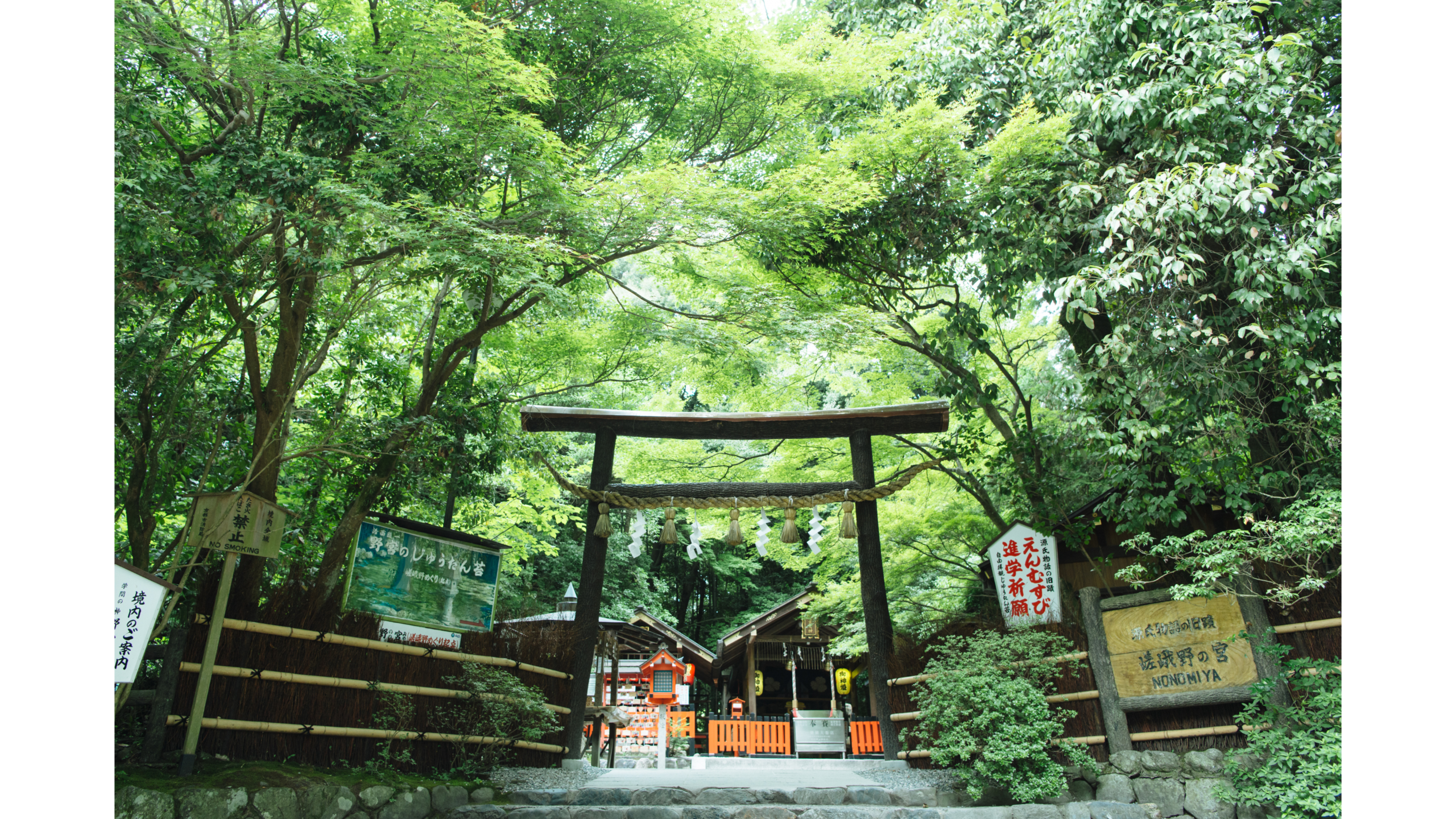
A torii gate is a traditional structure found at the entrance of a Shinto shrine.
Its role is simple but profound:
it marks the boundary between the ordinary world and the sacred realm where kami reside.
Passing through a torii isn’t just physical—it’s symbolic.
You’re stepping into a space meant for reflection, respect, and quiet awareness.
What Does a Torii Gate Represent?
A Gateway Between Worlds
A torii represents the transition from the everyday world into a sacred space.
Crossing it is a subtle act of leaving the mundane behind.
A Symbol of Purification
In Shinto belief, approaching a shrine involves purification—both physical and mental.
The torii marks the beginning of that process.
Not Just Decoration
It’s easy to assume torii are purely aesthetic—but they are functional spiritual markers, not ornaments.
A Brief History of Torii Gates
Mysterious Origins
The exact origin of torii gates is still debated.
Some theories suggest influences from:
- Ancient India or Southeast Asia
- Chinese ceremonial gates
- Early native Shinto practices
Evolution Over Time
Originally simple wooden structures, torii have evolved into:
- Large vermilion-painted gates
- Stone and metal versions
- Regional variations across Japan
Today, they are an essential part of shrine architecture—found everywhere from remote forests to major cities.
Why Are Torii Gates Red?
The most iconic torii are painted in a vivid red-orange known as vermilion.
Protection and Life Force
In Japanese culture, this color represents:
- Protection from evil spirits
- Vitality and life energy
Practical Reasons Too
Traditionally, the paint contained mercury, which helped:
- Preserve the wood
- Protect against insects
Not All Torii Are Red
You’ll also find:
- Natural wood torii
- Stone torii
- Black-lacquered versions
Each reflects local tradition and environment.
Common Types of Torii
Not all torii share the same shape. Here are a few common styles:
Shinmei Torii (Straight Style)
- Simple, straight lines
- Considered one of the oldest forms
Myojin Torii (Curved Style)
- Slightly curved top beam
- Most commonly seen across Japan
Ryobu Torii (Double Pillars)
- Extra supporting columns
- Influenced by historical Buddhist-Shinto blending
Famous Torii Gates to Visit
If you want to experience torii beyond theory, these spots are unforgettable:
- Fushimi Inari Taisha – Thousands of torii forming tunnel-like paths
- Itsukushima Shrine – A “floating” gate rising from the sea
- Meiji Shrine – Massive wooden torii in a forest setting
- Hakone Shrine – A scenic torii framed by water and mountains
Torii Gate Etiquette: How to Pass Through
Understanding a few simple customs can deepen your experience.
Bow Before Entering
Pause briefly and bow—it’s a sign of respect.
Walk to the Side
The center path is considered sacred, so walk slightly to the left or right.
Be Mindful
Keep your voice low and avoid disruptive behavior within shrine grounds.
FAQs About Torii Gates
Can I take photos?
Yes—just be mindful of others and avoid blocking pathways.
Do I need to be religious?
Not at all. Shrines are open to everyone.
Is it different from a temple gate?
Yes. Torii mark Shinto shrines, while temples use different gate structures.
Beyond the Gate: Experiencing the Meaning
A torii gate is not just something you pass through—it’s something you notice.
That moment—stepping from outside to inside—
is a quiet invitation to slow down.
You don’t need special knowledge.
You don’t need to follow a religion.
Just pause, be aware, and walk through with intention.
Because in that simple act,
you’re not just entering a place—
you’re entering a different way of seeing Japan.

No responses yet