What Is an Ema? A Simple Guide to Japan’s Wooden Prayer Plaques
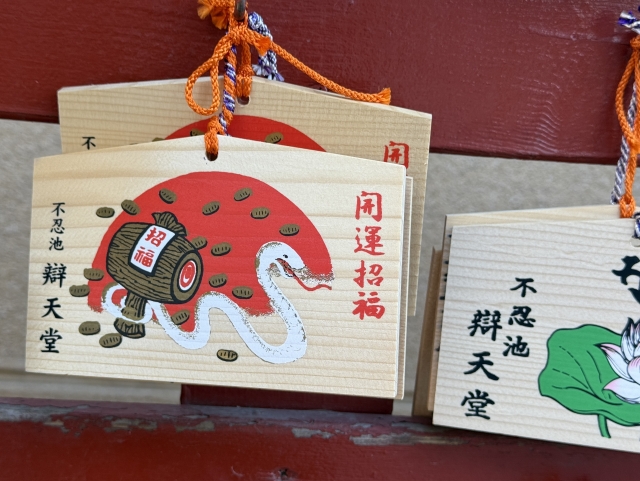
At many shrines in Japan, you’ll find rows of small wooden plaques hanging quietly under a roof.
These are ema—a simple way people express their wishes, hopes, and gratitude.
Some are neatly written.
Some are deeply personal.
Together, they form a quiet collection of human thoughts left behind in a sacred place.
What Is an Ema?
An ema is a small wooden plaque on which visitors write prayers or wishes at a shrine.
After writing, the plaque is hung on a designated rack so that the kami can receive it.
It’s a simple act—
but one that turns a private thought into something gently shared.
Why Is It Called “Ema”?
From Horses to Wooden Plaques
The word ema literally means “picture horse.”
In the past, people offered real horses to shrines when making important prayers.
Over time, this practice became more symbolic—replaced by wooden plaques featuring horse illustrations.
Today, ema designs vary widely:
- Zodiac animals
- Shrine-specific symbols
- Seasonal motifs
But the intention behind them remains the same.
What Do People Write on Ema?
Ema are often connected to real moments in life.
Common wishes include:
- Academic success
- Good health
- Love and relationships
- Career or business goals
- Safe travel
Some shrines are known for specific wishes.
For example, shrines dedicated to scholarship are popular before exams, while others are known for relationships.
How to Write an Ema
Writing an ema is simple, even for first-time visitors.
Step 1: Recieve an Ema
Purchase one at the shrine office or a nearby counter.
Step 2: Take a Moment
Think about what you want to express—
a wish, a goal, or even gratitude.
Step 3: Write Your Message
You can write in any language.
Short and simple is perfectly fine.
Step 4: Hang It
Place your ema on the rack provided.
That’s it.
Can You Take an Ema Home?
Yes—but it depends on how you use it.
- Blank ema:
You can take it home as a souvenir - Written ema:
It’s best to leave it at the shrine
Hanging it there is part of the experience—
a way of entrusting your thoughts to the space.
Ema Etiquette
A few small things to keep in mind:
- Write with sincerity
- Avoid inappropriate or offensive messages
- Place your ema gently
- Be mindful of others around you
It’s a personal act—but still part of a shared environment.
Can Anyone Write an Ema?
Yes.
You don’t need to follow Shinto to take part.
Ema are open to anyone who wishes to pause and reflect.
There’s no “correct” way to write one—
only your own intention.
Leaving a Thought Behind
An ema doesn’t stay with you.
You leave it there.
Among many others,
quietly becoming part of the place.
And maybe that’s what makes it different—
not something you carry home,
but something you choose to let go.

No responses yet